You're allowed to protect your property with cameras in Ontario, but there are real rules about where they point, what they record and what you do with the footage. Here's a plain-language overview for homeowners. (This is general information, not legal advice; for a specific situation, talk to a lawyer.)
Recording your own property: generally fine
Cameras covering your own doors, driveway, yard and interior are broadly acceptable. Courts and privacy guidance in Canada consistently support a property owner's right to monitor their own premises for security purposes.
Where it gets sensitive
Neighbouring properties
Aiming a camera into a neighbour's backyard, windows or pool area can cross into invasion of privacy. Incidental capture of the street or a shared fence line is normally fine; deliberate surveillance of spaces where neighbours reasonably expect privacy is not. Good installers angle and mask cameras so your coverage stays on your side.
Inside your home
Your house, your cameras, with limits. Recording areas where guests, tenants or workers have a reasonable expectation of privacy (bathrooms, a tenant's rented room) is off-limits. If you employ a nanny or PSW, disclosure is both legally safer and simply fair.
Audio recording
Canada's one-party consent rule means you can record conversations you're part of, but leaving audio recording running to capture other people's private conversations can violate the Criminal Code. Many homeowners simply disable microphones on exterior cameras; we'll configure this for you.
Renting out property? Different rules apply
Landlords can use cameras in shared exterior and common areas for security, but not in ways that monitor a tenant's private living space or track their comings and goings intrusively. Ontario's Residential Tenancies Act and privacy principles both come into play, get advice before installing.
Using your footage
- Police requests: you can voluntarily share footage of a crime; many forces in our area also run registries where residents list their cameras to help investigations.
- Posting online: think twice before publicly posting identifiable footage of people, even suspected porch pirates, it can create liability if you're wrong.
- Retention: keep recordings only as long as you need them. Thirty days of rolling storage is a common, sensible default.
Simple compliance checklist
- Point cameras at your property, not into neighbours' private spaces
- Use privacy masking for any unavoidable overlap
- Disable exterior audio unless you have a specific, lawful reason
- Post signage if you record areas visitors enter
- Secure your system with strong passwords so footage stays yours
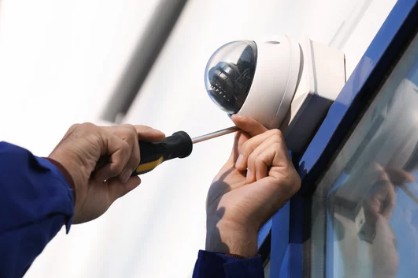
When Ranger installs a camera system, correct aiming, masking and audio settings are part of the job, so your protection never becomes your problem.
Quotes and site visits are always free, and always pressure-free.
Get a free quote